
Technologies behind patient positioning systems in medical equipment
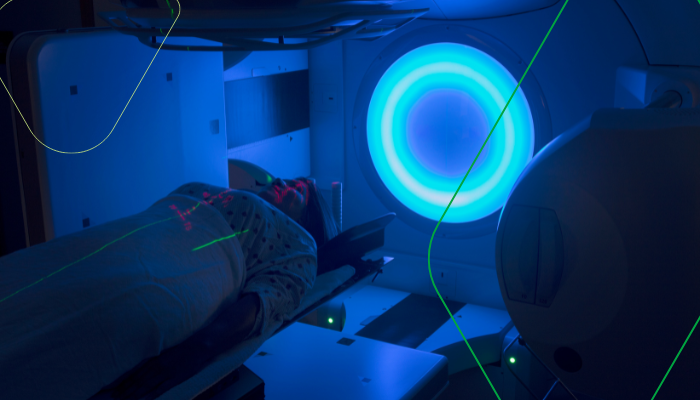
Accurate patient positioning is fundamental to the performance of many medical devices. Whether patients are undergoing diagnostic imaging, radiation therapy, surgery or routine care, equipment must provide precise, repeatable movement while maintaining comfort and safety.
For medical equipment manufacturers, achieving this requires more than mechanical design alone. Position sensing, switching, motion control and load measurement technologies all play an important role in ensuring equipment performs reliably and consistently in demanding healthcare environments.
Why patient positioning matters
Patient positioning affects both clinical outcomes and patient experience.
In diagnostic imaging systems such as MRI and CT scanners, patients must be accurately positioned to obtain high-quality images. During radiotherapy and oncology treatments, repeatable positioning helps ensure treatment is delivered to the intended area with a high degree of accuracy. In operating theatres, clinicians require safe access to the treatment area, while in hospital wards, adjustable beds and chairs help improve patient comfort and support care requirements.
To meet these demands, medical device designers integrate sensing and control technologies throughout their equipment.
Position feedback for imaging and treatment equipment
Many diagnostic and treatment systems rely on accurate position feedback to control patient tables, couches and moving equipment assemblies.
Linear position sensors and cable extension transducers are commonly used to monitor movement and provide real-time position information. In imaging systems, these technologies help ensure patients are correctly positioned while also detecting movement that could compromise image quality. Similar technologies are used in radiotherapy equipment to support accurate couch positioning and treatment delivery.
Reliable position measurement not only improves equipment performance but can also help reduce repeat procedures, supporting greater efficiency for healthcare providers.
Motion control for precise movement
Patient positioning equipment often requires controlled movement across multiple axes. This may include adjusting bed height, changing backrest angles, rotating treatment tables or positioning imaging equipment.
Motion control systems, DC motors, rotary feedback devices and associated control technologies work together to deliver smooth, accurate movement. These systems must operate reliably while providing the precision required in clinical environments where repeatability is critical.
For equipment manufacturers, selecting the right combination of motion control and feedback components is essential to achieving performance, safety and user experience objectives.
Monitoring load and position
Modern patient handling systems frequently incorporate multiple sensing technologies to monitor both movement and patient condition.
Load cells can be integrated into patient beds, treatment couches and operating tables to provide weight measurement and monitoring functions. Inclinometers and rotary position sensors enable equipment to track angular movement and positioning, while linear sensors provide feedback on horizontal and vertical adjustments.
Together, these technologies allow medical equipment to respond accurately to user inputs while maintaining safe operating conditions.
User interfaces that support clinical workflows
Alongside sensing and motion control technologies, user interfaces remain a vital part of medical equipment design.
Hand controls, footswitches and other operator interfaces enable clinicians and caregivers to adjust equipment ergonomically and efficiently. These devices are used across a wide range of applications, from hospital beds and patient hoists to imaging systems and specialist treatment equipment. Medical-grade designs often require robust construction, intuitive operation and compliance with relevant medical standards
Carefully designed interfaces help reduce complexity for users while ensuring reliable operation in busy healthcare settings.
Supporting medical equipment manufacturers
Through its specialist companies, Variohm Group supports medical equipment and medical device manufacturers with a broad range of sensing, switching and motion control technologies.
This includes position sensors, load cells and measurement solutions from Eurosensor, motion control expertise from Heason, and switching and human-machine interface technologies from Herga. Together, these capabilities support applications ranging from diagnostic imaging and radiotherapy equipment to patient handling systems, hospital beds and specialist medical devices.